
My last blog post was all about storytelling itself. Now, I want to give you a clearer vision of it. I will present you three of my favorite real life examples.
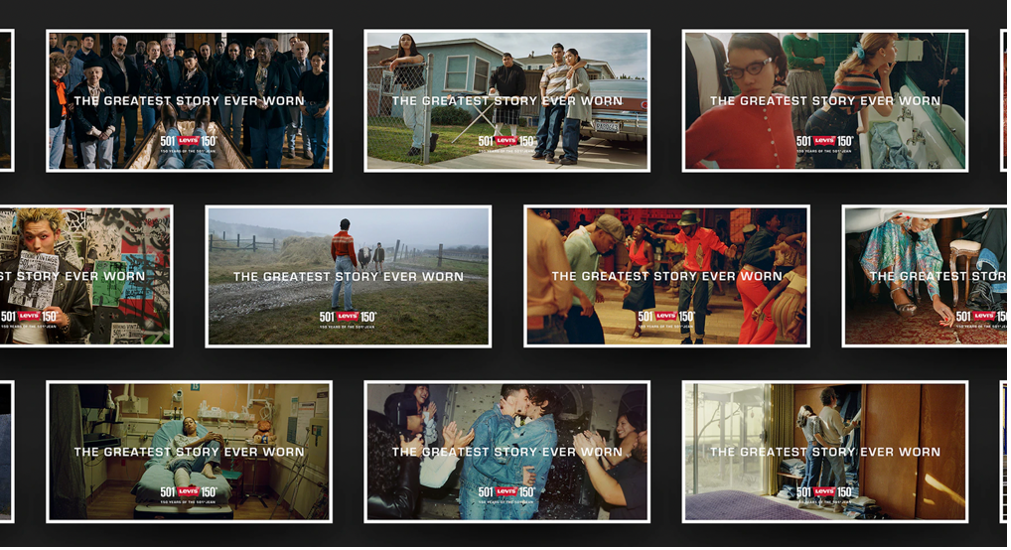
Levi’s with “The Greatest Story Ever Worn”
When thinking of a denim retailer, Levi’s was always top of mind for me. A bit more than a year ago, they celebrated their 150th birthday. They came up with a campaign called “The Greatest Story Ever Worn”. It consists of three video scripts and an archive full of different chapters. All inspired by true stories of 150 years of 501 Levi’s jeans. They used their website, socials, out-of-home ads, radio, and in-store displays to share the stories.
What was important to them? The universal theme throughout. They wanted a global storytelling approach. There is always a piece in the story everyone can relate to via the product. The Levi’s 501 jeans.
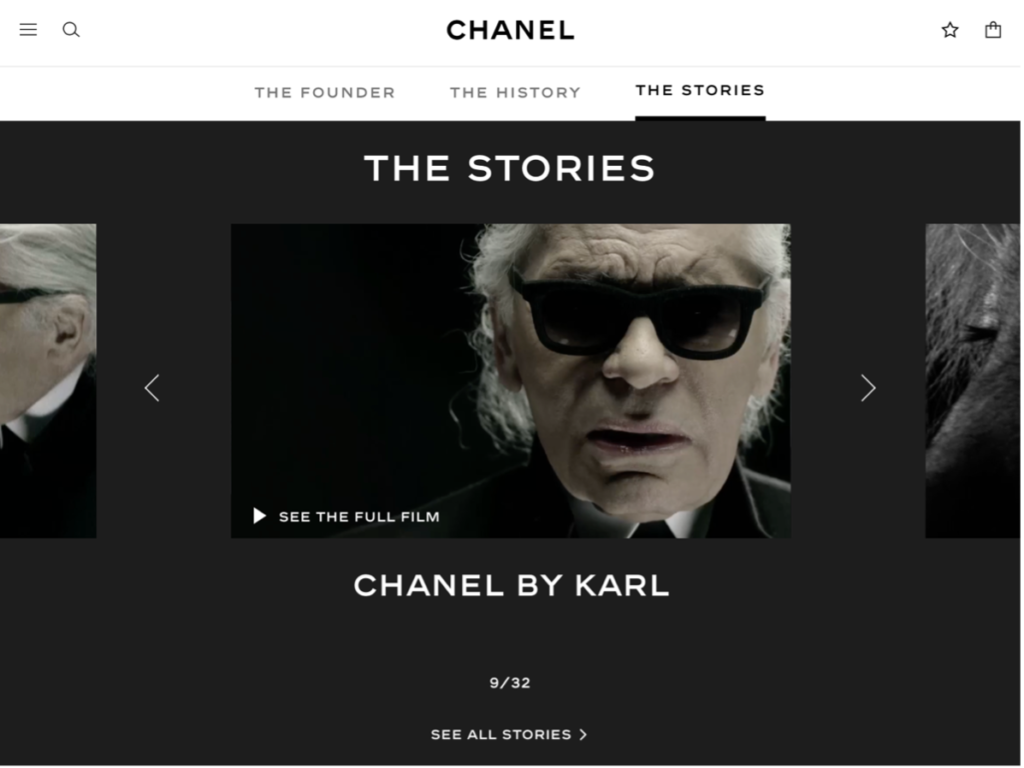
Chanel with “Inside Chanel”
What advantage do luxury fashion brands often have? A long history. As a more than 100-year-old luxury brand, Chanel has much to tell. So that is what they did. They started the “Inside Chanel” series. They produced 32 short films. Everything to be found on their website. From the design process of their jacket to the involvement of Karl Lagerfeld. It is all about important moments in their history.
Take this as a good example. Try to find key milestones in your process as well. Share behind-the-scenes of your best-selling products or try to collaborate with celebrities or influencers.
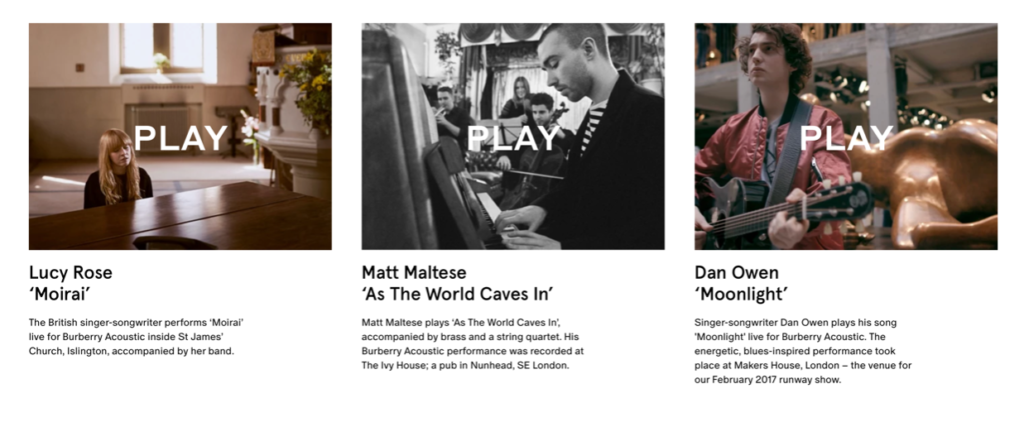
Burberry with “Burberry Acoustic”
1856. Burberry’s first fashion house was created. Another luxury fashion brand offering lots of history. They could’ve simply taken that opportunity. Come up with different storytelling campaigns. But they decided to go in a different direction.
Burberry always tries to come up with new experiences for its customers. That is why they thought of the “Burberry Acoustic” campaign. They worked together with new British musicians, filmed them in British locations and let them wear Burberry clothing from head to toe. Like this, they managed to create associations. Not only with beautiful, personalized music, but also its British heritage.
First they promoted the campaign on their website and YouTube. Later, they decided to release CDs and included live music performances in their events.
This campaign was a win-win situation for both parties. The musicians gained more recognition, and Burberry was associated with the stories the musicians had to tell. Of course, stories linked to the Burberry.
Obviously, there are many more great storytelling examples! But I hope that these ones could give you a general idea of what storytelling can look like. As you can tell from these storytelling examples, you can go the traditional or more creative way. Both can work. It only has to fit your brand’s identity. To decide what matches your brand best, I can recommend you to read my first two blog posts.
Do you have any other good examples? Please share them with me in the comments! I would love to read all about your own experiences!